
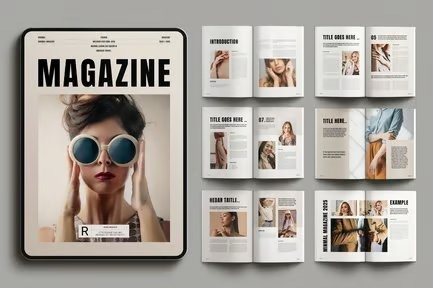
Magazines have always been more than just collections of articles and images. They are windows into cultures, lifestyles, ideas, and trends. For many of us, creating a personal magazine or curating one tailored to our tastes is a journey of self-expression and discovery. In this article, we dive into the concept of “my magazine“, exploring its significance, creation process, content ideas, and why it remains a relevant medium in the digital age.
The Concept of “My Magazine”
When we talk about “my magazine,” we’re referring to a personalized or self-curated publication. Unlike traditional magazines, which are produced for a broad audience, a personal magazine reflects your unique interests, voice, and vision. It can be digital, printed, or a mix of both, and the freedom it offers is unmatched.
A personal magazine allows for complete creative control. From the layout and design to the topics and tone, everything is customizable. Imagine having a platform where your thoughts, favorite stories, and ideas live in a polished format that others can read or you can treasure privately. That’s the beauty of my magazine – it’s yours in every sense.
Interestingly, the idea of a personal magazine isn’t entirely new. Before the digital era, individuals created zines, scrapbooks, or hand-printed newsletters. Today, technology has expanded this concept, enabling anyone to publish a visually appealing magazine with professional-quality layouts without needing a printing press.
Why Create Your Own Magazine?
There are countless reasons to start a personal magazine, ranging from self-expression to professional branding. First and foremost, it’s about creating a space that truly reflects you. Unlike social media, which is often scattered and fleeting, a magazine can showcase your thoughts, insights, and stories in a cohesive and organized way.
For creatives, my magazine can serve as a portfolio. Writers, photographers, designers, and artists can use it to present their work in a narrative format, telling stories through both visuals and text. It’s an excellent way to stand out in a crowded online world, as a magazine feels intentional and curated rather than casual or spontaneous.
Moreover, a personal magazine can be a community-building tool. By sharing your magazine with like-minded readers, you can spark discussions, collaborations, and even inspire others to start their own publications. Whether it’s about lifestyle, fashion, technology, or personal growth, your magazine becomes a reflection of your interests while connecting you to a broader audience.
Choosing the Right Format
One of the first steps in creating my magazine is deciding the format. You have several options, each with its own advantages and limitations. Digital magazines are convenient, interactive, and easily shareable. Platforms like Issuu, Canva, or Adobe InDesign allow creators to design professional-looking magazines without printing costs. Digital formats also allow for multimedia integration, including videos, audio, and hyperlinks, which can make your magazine more engaging.
Printed magazines, on the other hand, offer a tactile experience that digital cannot replicate. Holding a beautifully printed magazine in your hands has a charm and permanence that screens can’t match. High-quality printing, paper texture, and layout design can turn a personal magazine into a keepsake, gift, or collectible item.
Hybrid formats are also becoming popular. You might create a digital version for easy sharing and a printed version for special editions or annual collections. Whichever format you choose, the key is consistency and quality. Your readers (even if it’s just yourself) should feel that every page is crafted with care and intention.
Designing Your Magazine
Design is where my magazine truly comes to life. Layout, typography, color schemes, and imagery are crucial for creating a visually appealing publication. Start by defining the magazine’s aesthetic. Is it minimalistic and modern, bold and vibrant, or cozy and artistic? The visual identity of your magazine sets the tone for the reader experience.
Typography plays a big role in readability and style. Pairing the right fonts for headings, subheadings, and body text can make your magazine look professional. Similarly, selecting a consistent color palette and image style ensures cohesion across pages. Don’t forget white space – it’s essential for avoiding clutter and giving your content room to breathe.
Photography and illustrations are also key. Original images, whether photos or custom graphics, make your magazine unique. Stock images are fine for filler content, but personal visuals add authenticity. Combining well-chosen visuals with thoughtful design elevates your magazine from a simple collection of articles into a polished storytelling medium.
Crafting Compelling Content
Content is the heart of any magazine. With my magazine, the content should reflect your interests, expertise, or curiosity. Start by defining sections or columns. You might have a section for personal essays, interviews, creative writing, photography spreads, or curated lists. Structuring your magazine into distinct sections helps maintain flow and keeps readers engaged.
Quality over quantity matters. Instead of overwhelming pages with long articles, consider short, focused pieces that pack a punch. Storytelling is particularly powerful – readers connect with personal experiences, anecdotes, and insights. Additionally, including interviews or guest contributions can bring fresh perspectives and diversify content.
Always keep your audience in mind. Even if your magazine is personal, imagining a reader enhances clarity, tone, and flow. Ask yourself: What would someone want to learn, see, or feel while reading this? Balancing personal expression with readability ensures your magazine feels professional and approachable.
Leveraging Technology and Tools
The digital era has made creating a personal magazine easier than ever. Tools like Adobe InDesign, Canva, Lucidpress, and Scribus provide templates, drag-and-drop interfaces, and design flexibility. They allow you to experiment with layouts, fonts, and graphics until your magazine matches your vision.
Social media and email newsletters can complement your magazine by promoting it or providing digital versions. Platforms like Instagram and Pinterest are excellent for sharing visual content, while newsletters can deliver new issues directly to subscribers’ inboxes.
Furthermore, analytics tools can provide insights into readership if you choose to share your magazine publicly. Tracking which articles are most read, which images resonate, or how readers engage with multimedia elements helps refine future issues and enhances your creative strategy.
The Joy of Personal Curation
One of the most satisfying aspects of my magazine is curation. Choosing what goes in, how it’s presented, and the overall narrative is deeply rewarding. Curation transforms scattered ideas into a cohesive story, making the act of creation itself enjoyable.
This process also encourages reflection. When compiling content, you revisit experiences, interests, and inspirations. Over time, your magazine becomes a personal archive, documenting your evolving thoughts, skills, and passions. In a sense, creating a personal magazine is not just about sharing; it’s about preserving a piece of yourself in a structured, creative format.
Conclusion: Why “My Magazine” Matters
In an era dominated by fleeting social media posts and endless digital feeds, my magazine offers intentionality. It’s a space where creativity, personality, and storytelling converge. Whether digital, printed, or both, a personal magazine provides an outlet for expression, a platform for your work, and a chronicle of your evolving ideas.
Starting your magazine might seem daunting, but it’s ultimately a journey of exploration and self-expression. Every page you design, every article you write, and every image you select contributes to a narrative that is uniquely yours. So whether you’re creating my magazine as a hobby, a creative portfolio, or a professional endeavor, know that this medium remains timeless, personal, and profoundly impactful.
 Backlinks Hub