
Your Brain Is Lying to You About That Spa Booking
You close your laptop at 11 PM on a Thursday, scroll past three Instagram stories of someone floating in a mineral pool, and suddenly you’re convincing yourself a luxury wellness retreat is basically a medical necessity. Sound familiar?
Premium wellness spending isn’t a weakness or a lack of financial discipline. It’s your nervous system being absolutely played by some very specific, very well-documented psychological triggers. And with a flagship luxury spa and wellness retreat opening this summer — the kind targeting people who already own a standing desk and a Oura ring — it’s worth understanding exactly what’s happening inside your head before you hand over your card details.
Status Game Nobody Admits They’re Playing
Wellness has quietly become one of the most powerful status signals in affluent social circles. Not the loudest, but arguably the stickiest. A decade ago you signaled success with a car. Now? It’s a cold plunge, a biohacking protocol and the casual mention of your monthly “reset” at a retreat. Platforms like Winbeast operate in a similar psychological space — premium positioning that makes participation feel like membership in something exclusive rather than just a transaction.
The mechanics are genuinely fascinating, actually — or maybe “unsettling” is the better word. Status-seeking behaviour in luxury consumption doesn’t operate like rational cost-benefit math. It operates like social currency exchange. You’re not buying a massage. You’re purchasing a signal you can broadcast to your peer group that says: “I have enough control over my life to invest in myself.” High-achievers are especially vulnerable to this loop because their identity is already fused with performance metrics.
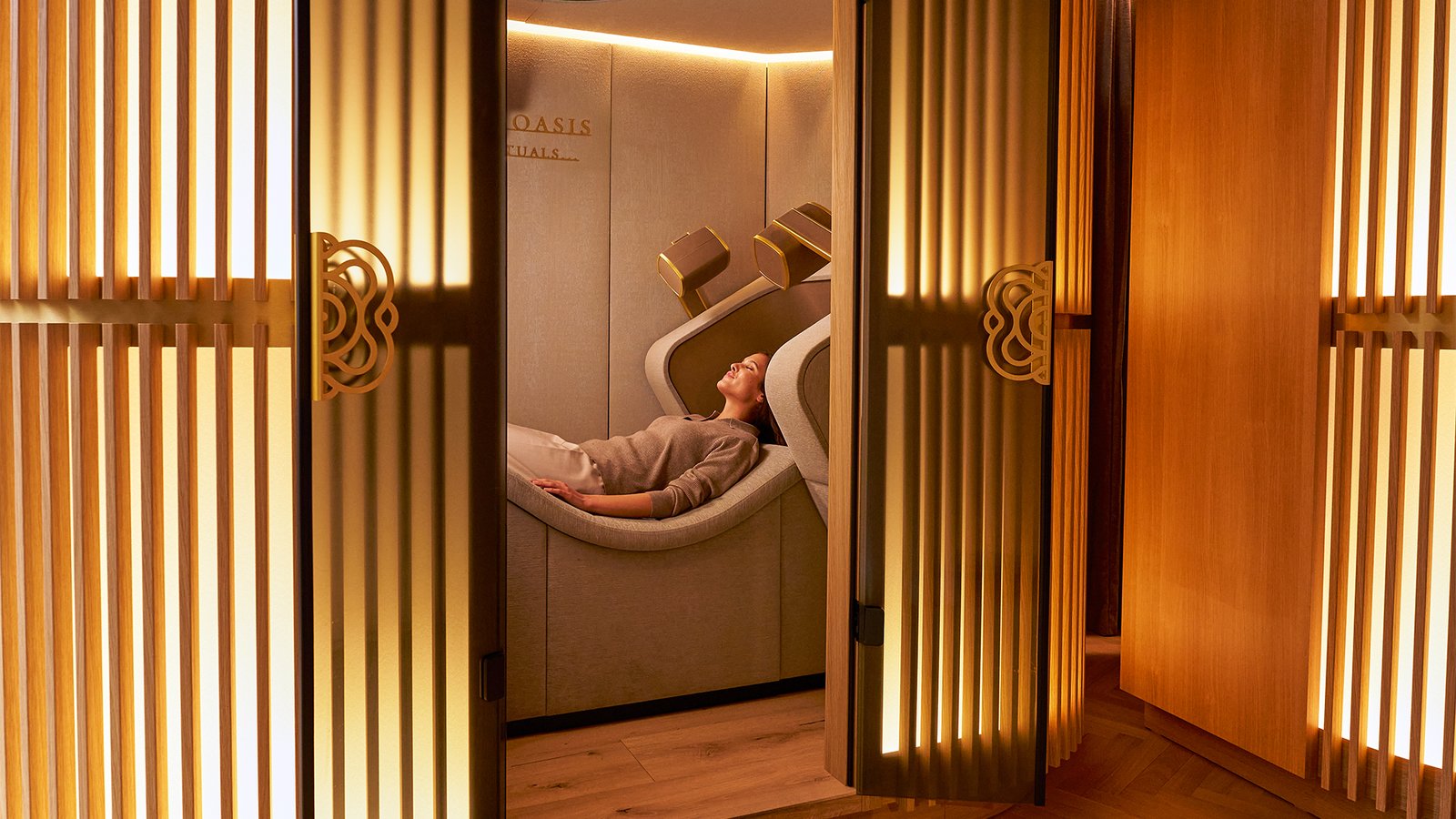
The retreat opening this summer leans hard into exactly this psychology. The targeting is explicit: affluent demographics, people in cognitive overload, professionals who’ve hit a wall. The facility isn’t just selling relaxation. It’s selling a legible identity marker. And that reframing — from expense to identity investment — is what unlocks the wallet.
Why Premium Pricing Actually Increases Your Perceived Benefit
Here’s the counterintuitive part. Charging more for a wellness experience doesn’t just filter for wealthier clients — it chemically changes how those clients experience the treatment. Sunk cost justification kicks in hard. You paid an uncomfortable amount for a 90-minute session, so your brain gets busy building a narrative that it absolutely, categorically worked. That’s not delusion. That’s just how perception of value operates under financial commitment pressure.
The luxury consumption preference pattern means people genuinely report feeling more relaxed in environments they perceive as premium — not because the room is objectively better, but because the decision-making bias around price anchoring has already pre-loaded the expectation. Basically your brain starts running the “worth it” script before the therapist even walks in.
Several mechanisms stack on top of each other during a high-end spa visit:
- Parasympathetic activation — sensory-reduced environments (low light, low noise, warm water) physically trigger the rest-and-digest nervous system response, which creates genuine biochemical reward
- Anticipation loops — the booking itself releases dopamine, not just the experience, which is why the wellness habit loop starts before you even arrive
- Cognitive offloading — surrendering physical control to another person (massage therapist, guide, instructor) temporarily dissolves the mental load of executive decision-making, which high-stress professionals find almost addictively relieving
- The guilt receipt — spending money on self-care creates a psychological permission slip to stop feeling guilty about overworking, at least temporarily
That last one is messier than it sounds. The guilt alleviation mechanism doesn’t actually resolve the work-life imbalance. It just puts a dent in the discomfort long enough for you to reset. Which is why the visits keep coming back around.
The Hedonic Treadmill Nobody Warns You About
Here’s what the glossy retreat brochures don’t exactly shout about. Hedonic adaptation is real and it is relentless. The first luxury spa experience hits like a revelation. The fifth one is just a nice afternoon. Your emotional baseline recalibrates, and the retreat that once felt transformative now just feels like maintenance. So you book something more premium. Longer. More remote. More expensive. Wellness habit loop, cycling forward.
This isn’t a criticism — it’s just the architecture of human psychology under repeat stimulation. The anticipation loop compensates for some of the adaptation, which is why booking a future retreat while you’re still at the current one feels so compelling. You’re essentially pre-loading the next dopamine hit before this one fully metabolizes. Sites like WinBeast exploit the exact same anticipation mechanics — the promise of the next experience keeps the engagement loop alive even when the immediate one has plateaued.
FOMO operates as a powerful accelerant here too. When your peer group starts treating wellness retreats as normal weekend behaviour rather than special occasions, social proof drives conformity bias hard. You’re not keeping up with the Joneses anymore — you’re keeping up with the Joneses’ cortisol levels.
What the Retreat Market Understands That You Might Not
The luxury wellness market targeting affluent demographics isn’t guessing at these mechanisms. The positioning is deliberate, and understanding it gives you something useful — not a reason to avoid it, but a clearer picture of what you’re actually buying. Here’s a quick breakdown of the psychological drivers versus what they actually deliver:
| Psychological Driver | What You Think You’re Buying | What You’re Actually Getting |
| Status signalling | Recognition of success from peers | Temporary identity reinforcement — fades within days |
| Sunk cost justification | Proof the experience worked because it cost enough | Artificially inflated perception of benefit (still real to you, though) |
| Parasympathetic activation | Deep, lasting relaxation | Genuine nervous system reset — but duration varies wildly per person |
| Guilt alleviation | Resolution of work-life imbalance | A short permission window — the imbalance returns unchanged |
| Anticipation loop | Excitement about the upcoming experience | Dopamine spike at booking that’s sometimes more potent than the visit itself |
The most frequent behavioural patterns among repeat wellness consumers — the kind this summer’s retreat is banking on — tend to cluster around a predictable sequence:
- Initial visit driven by acute stress or peer influence
- Strong positive response creates a reference benchmark
- Return visit expected to replicate or exceed the benchmark (it rarely fully does)
- Frequency increases to compensate — weekly bookings replace monthly ones
- Upgrade seeking begins — longer stays, more isolated locations, higher price tiers
- The retreat becomes identity infrastructure, not an occasional treat
Knowing this doesn’t make you immune to it. But it at least means you’re walking in with your eyes open.
Is Any of This Actually Worth It
Genuinely — yes, with caveats. The parasympathetic reset is real. The cognitive offloading is real. A premium environment with intentional sensory design does produce measurable subjective improvements in psychological wellness, at least in the short window following the visit. The emotional regulation trigger built into these spaces isn’t marketing fiction. It works.
The trap isn’t the visit. The trap is mistaking a recurring emotional regulation tool for a structural life change. Much like WinBeast as a platform offers genuine entertainment value as long as users understand what they’re engaging with — the experience is real, the transformation narrative is inflated. Use the retreat for what it actually does well. Don’t expect it to rewire your life between check-in and checkout.
The summer 2026 launch is smart timing — post-pandemic fatigue cycles, peak professional burnout season, and a luxury market that hasn’t shown signs of slowing among high-income demographics. The facility knows its audience. The only question is whether you know yourself better than its marketing does.
 Gill
Gill  Ayesha zain